
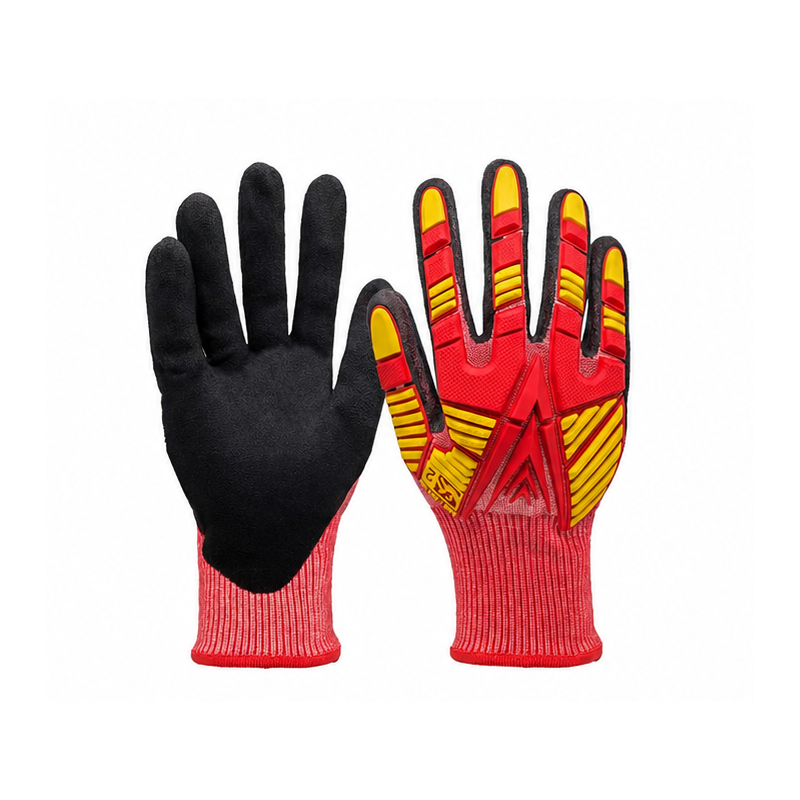
SIZES L / XL · 2 SKUs
TPR Impact Cut-Resistant Work Gloves
Nitrile / TPR / Steel wire construction · Cut Protection, Mechanical Protection, Oil & Grip, Heavy Duty Protection
A broad cut-protection portfolio spanning HPPE, aramid, steel-wire reinforced gloves, coated styles, food-processing liners, sleeves and finger protection.
Nitrile / TPR / Steel wire construction · Cut Protection, Mechanical Protection, Oil & Grip, Heavy Duty Protection
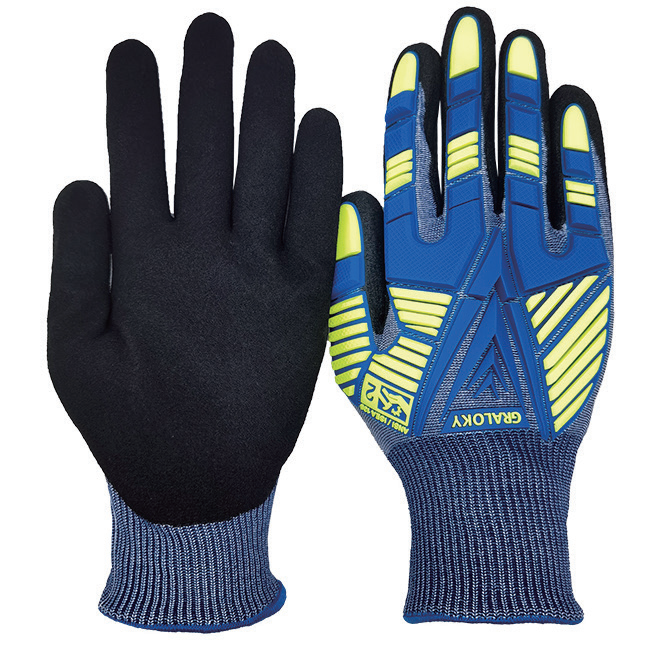
Nitrile / TPR / Steel wire construction · Cut Protection, Mechanical Protection, Oil & Grip, Heavy Duty Protection

Nitrile / TPR / Steel wire construction · Cut Protection, Mechanical Protection, Oil & Grip, Heavy Duty Protection
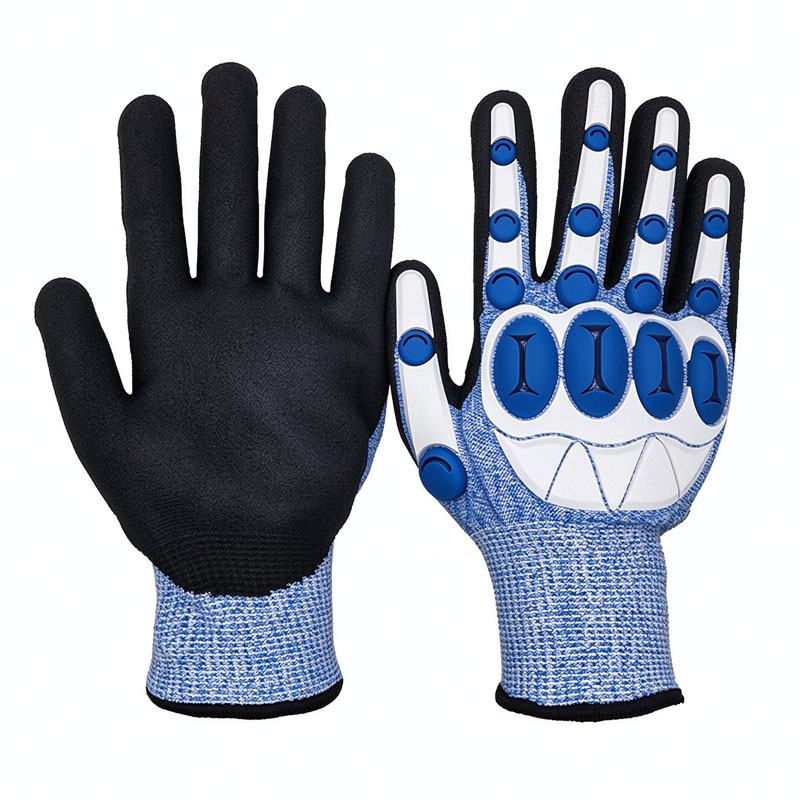
Nitrile / TPR / Steel wire construction · Cut Protection, Mechanical Protection, Oil & Grip, Heavy Duty Protection
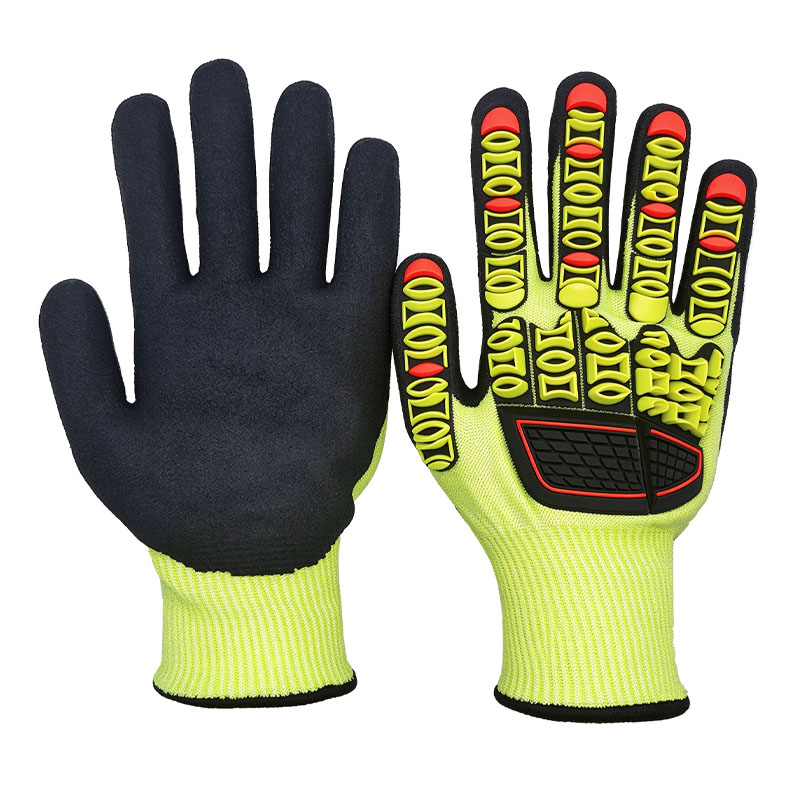
Nitrile / TPR / Steel wire construction · Cut Protection, Mechanical Protection, Oil & Grip, Heavy Duty Protection
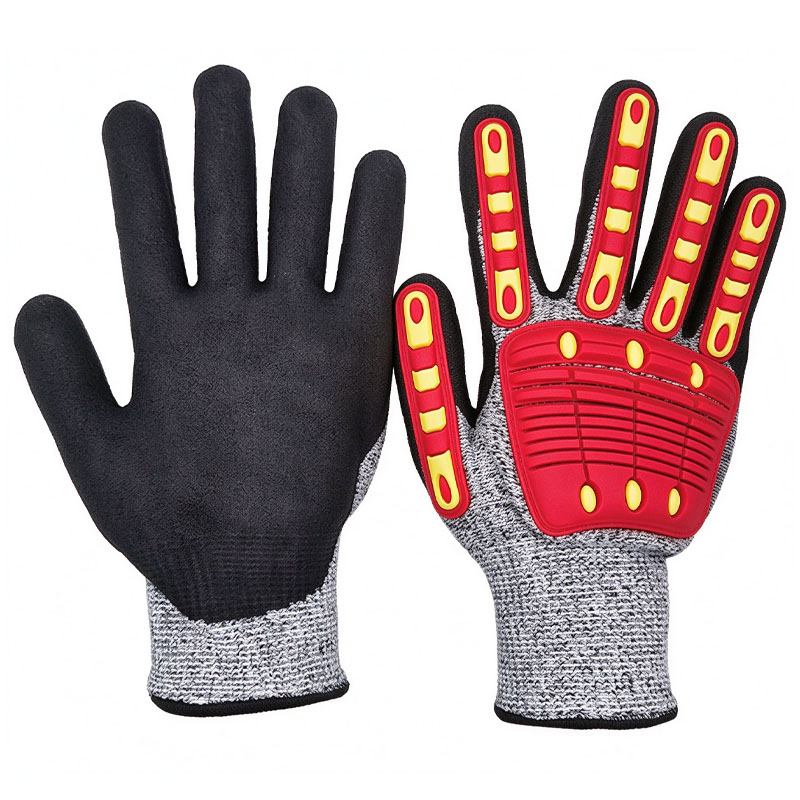
Nitrile / TPR / Steel wire construction · Cut Protection, Mechanical Protection, Oil & Grip, Heavy Duty Protection
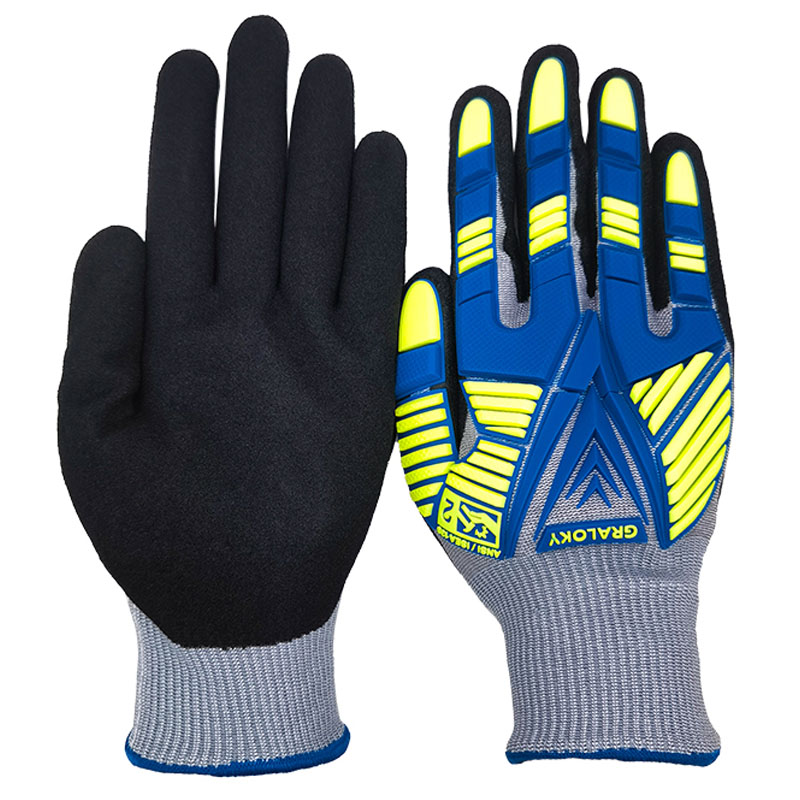
Nitrile / TPR / Steel wire construction · Cut Protection, Mechanical Protection, Oil & Grip, Heavy Duty Protection
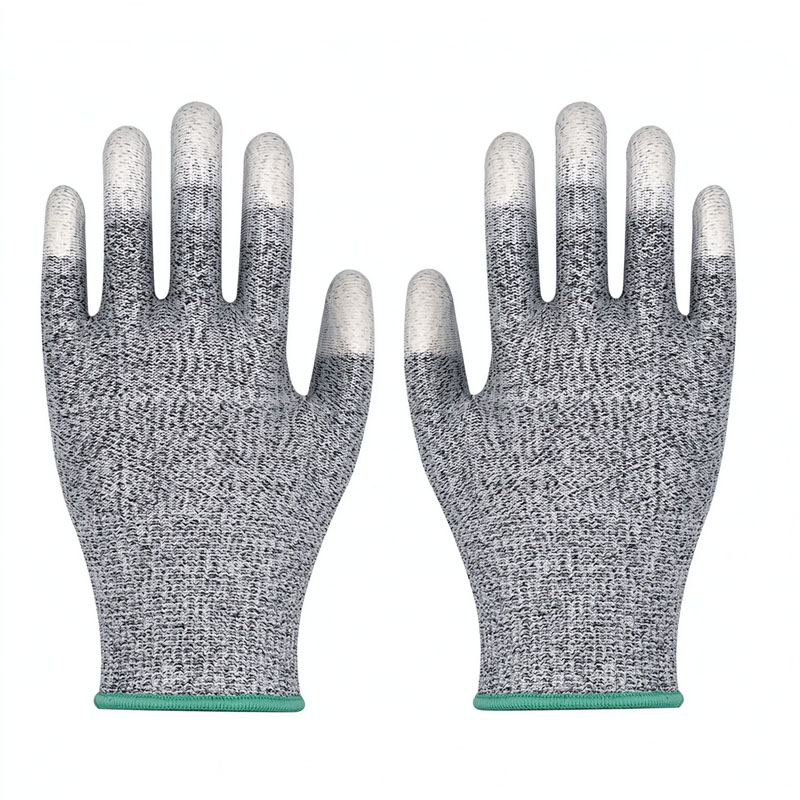
HPPE / Fiberglass / Nylon / Polyester Construction · 13-Gauge Seamless Knitting · Cut Protection, Food Processing, Food Handling
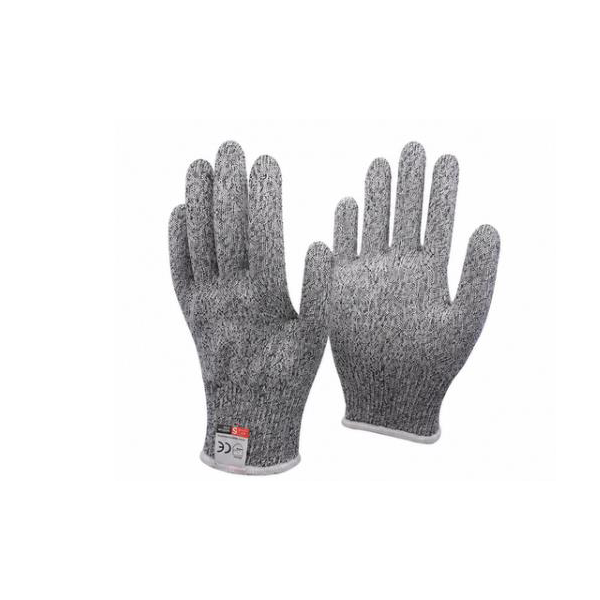
HPPE / Glass Fiber / Nylon / Spandex construction · Cut Protection

HPPE / PU construction · Cut Protection
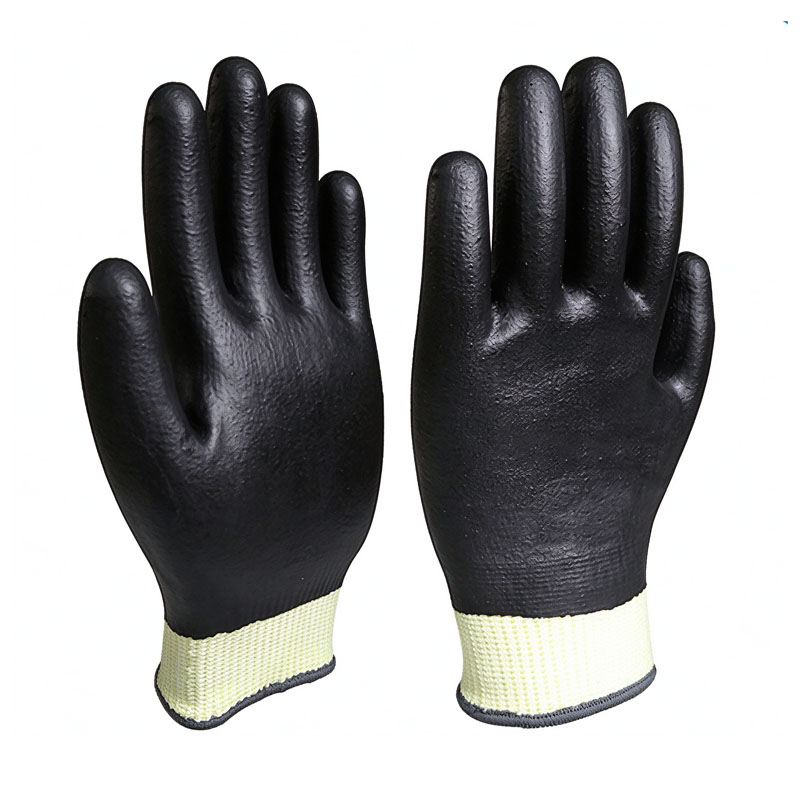
HPPE / PU construction · Cut Protection
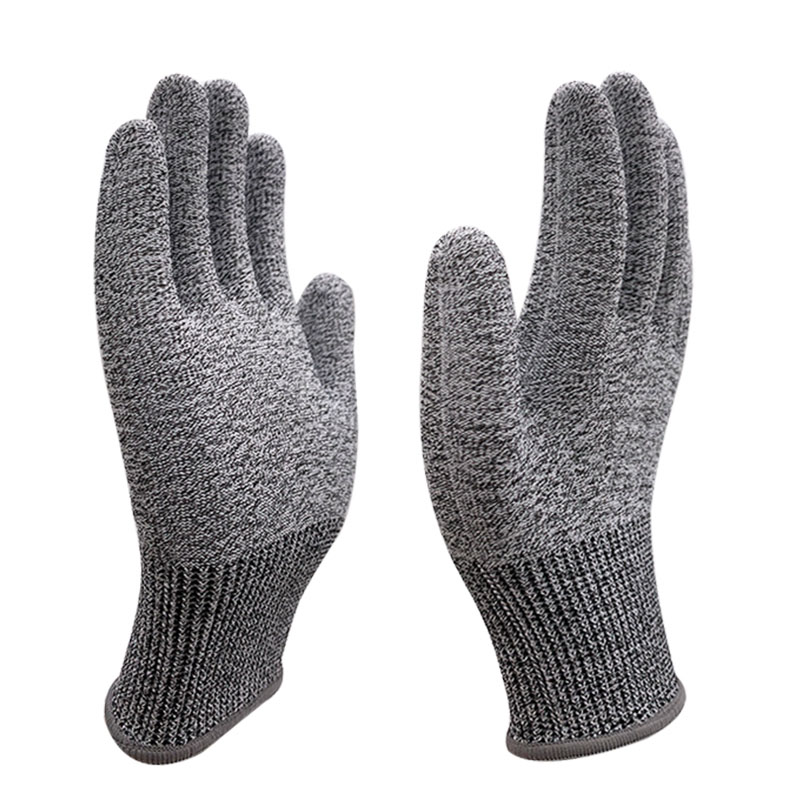
HPPE material, 13-gauge seamless knit, cut-resistant, flexible and breathable to wear. Suitable for work scenarios such as food handling, glass industry, papermaking, safety protection and so on.
Practical selection questions for sourcing and OEM/ODM evaluation.
