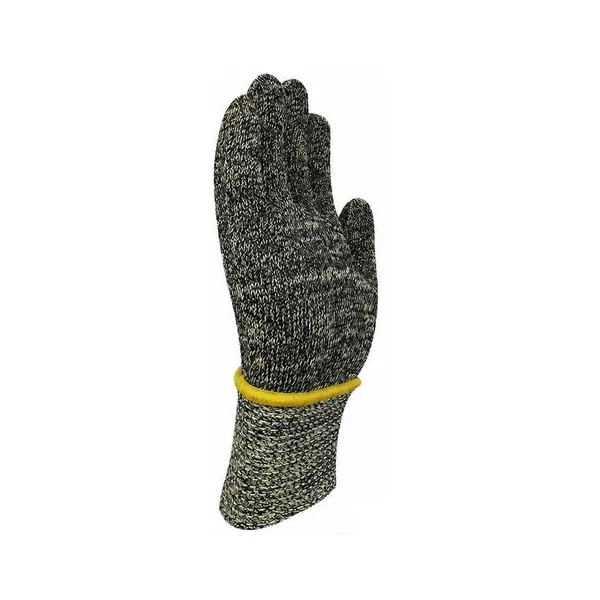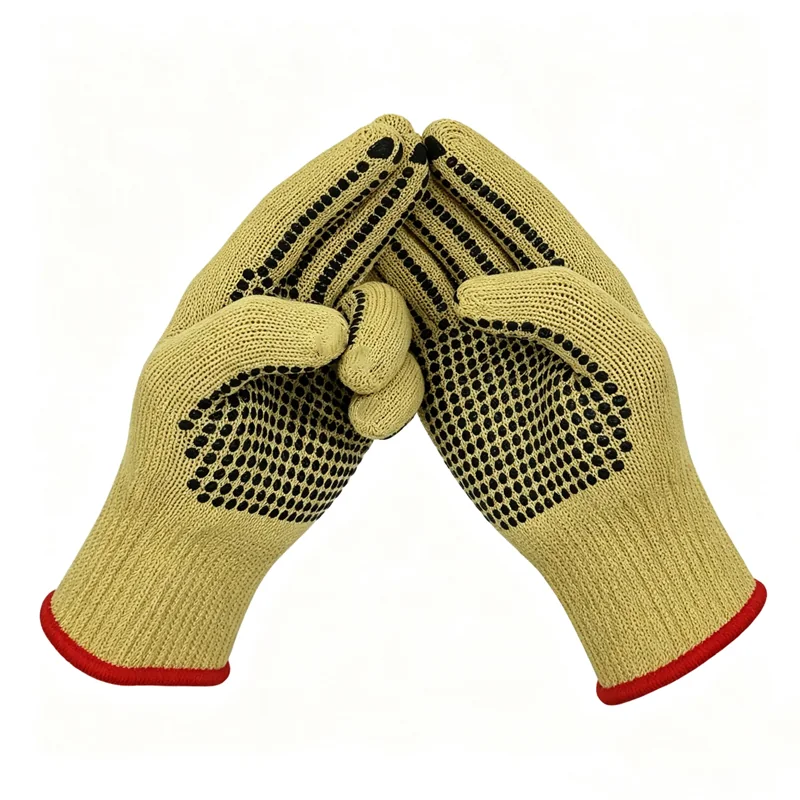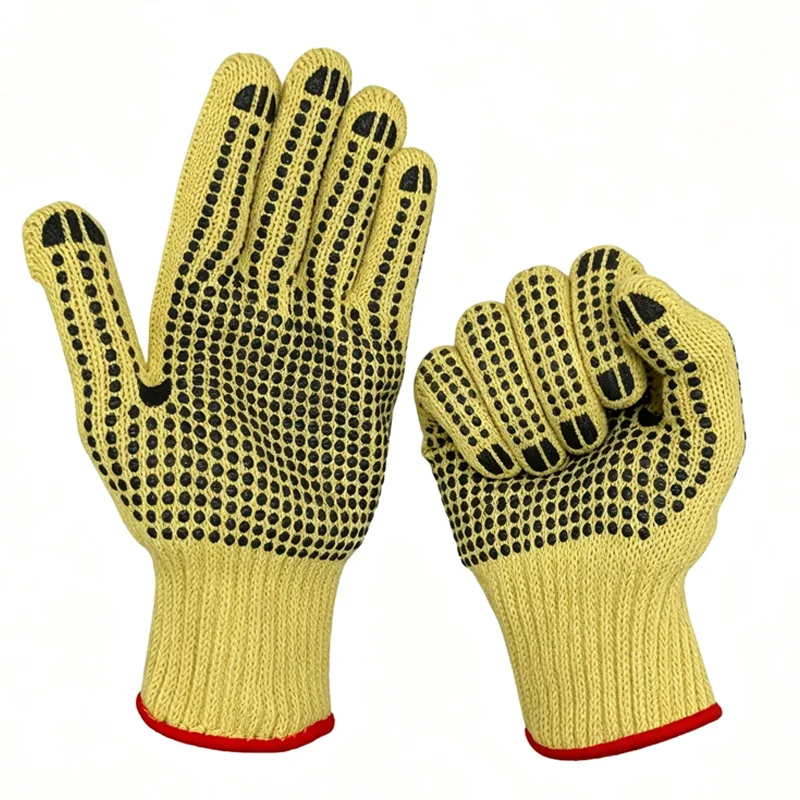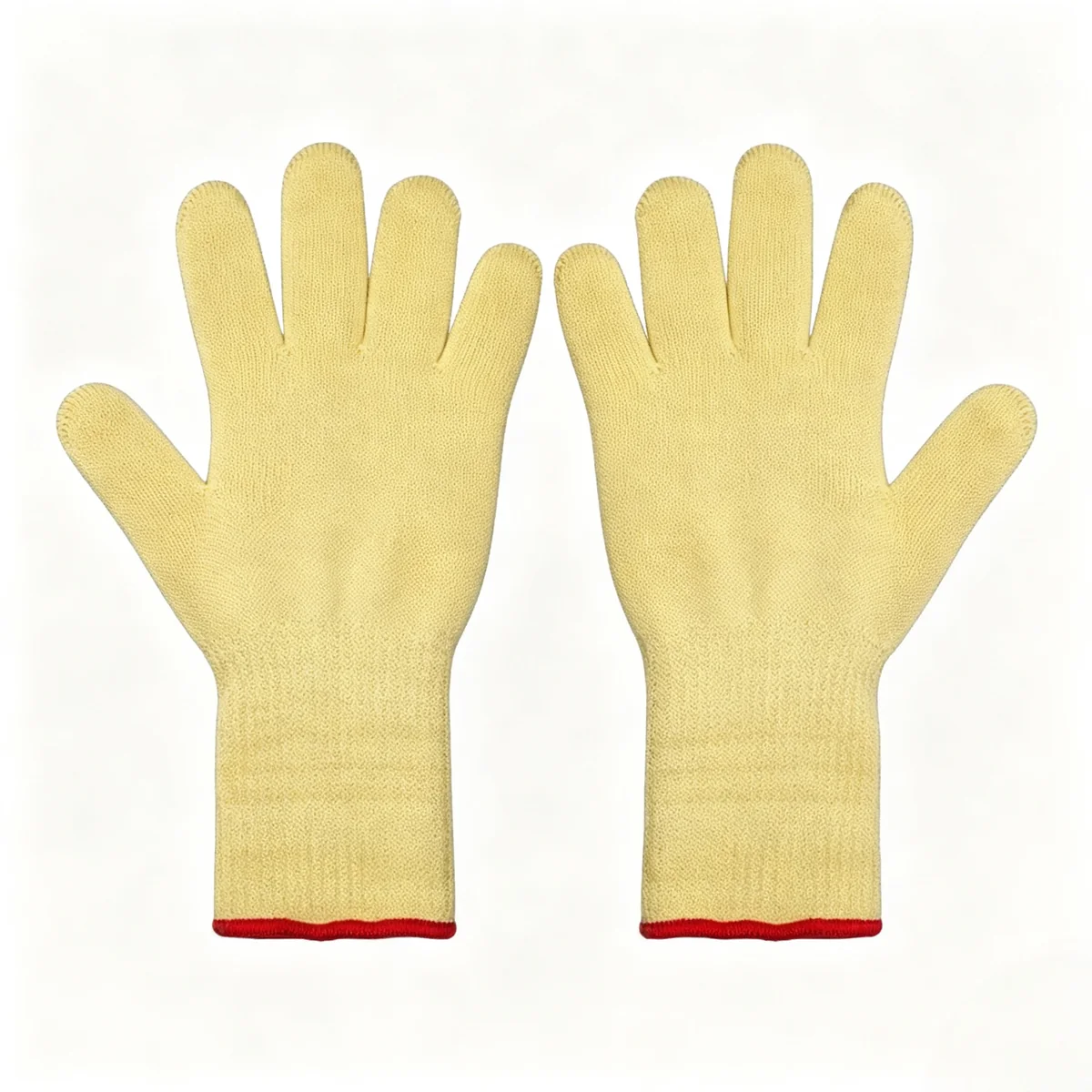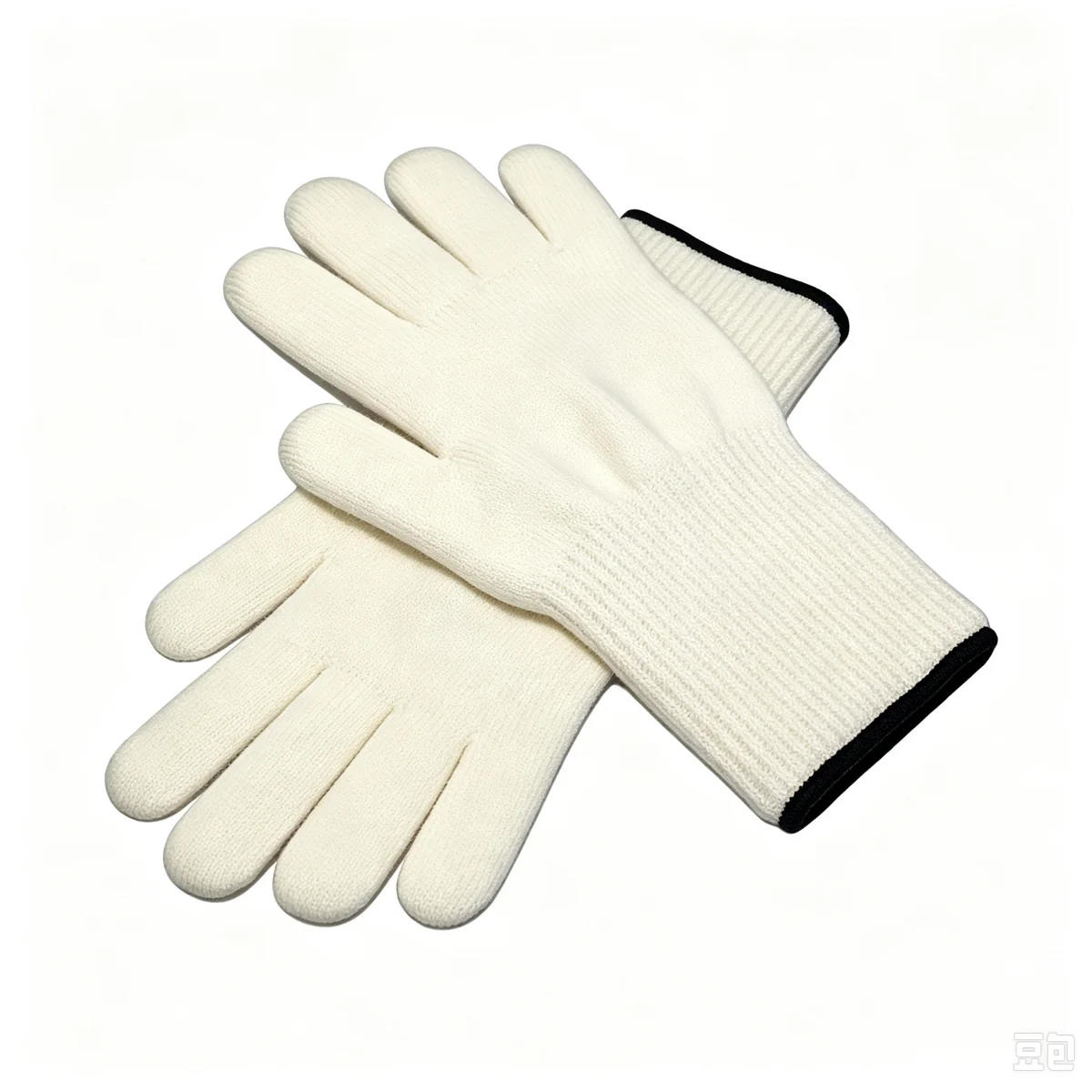
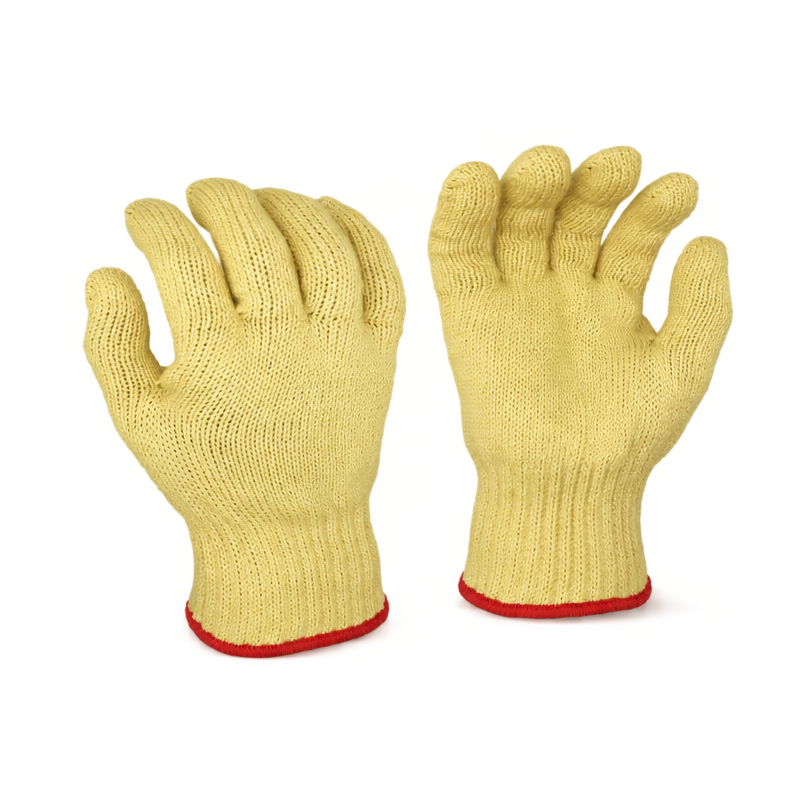
Aramid Heat-Resistant & Cut-Resistant Gloves

Explore aramid glove constructions for heat and cut-related handling. Confirm the applicable performance levels and test evidence for the selected model.

6Products in this category

Explore Aramid Heat-Resistant & Cut-Resistant Gloves

6 products · Page 1 of 1
FAQ

Before you shortlist a glove.

Practical selection questions for sourcing and OEM/ODM evaluation.

Do you manufacture heat-resistant gloves for high-temperature work?
Yes. We manufacture aramid-based heat-resistant gloves for high-temperature applications. The safe temperature range must be stated according to the specific glove construction and its EN 407 or other applicable test results, rather than by fiber type alone.
Do you use HPPE, aramid or blended yarns for cut-resistant gloves, and what are the advantages?
We primarily use HPPE-based yarns for cut-resistant gloves because they combine strong cut performance with low weight, flexibility and good dexterity. Aramid fibers are mainly used in our heat-resistant gloves because of their inherent thermal performance, while also contributing useful cut resistance in some constructions. For application-specific gloves, blended yarns can combine HPPE or aramid with nylon/polyester and reinforcement fibers such as glass or steel to balance cut level, abrasion resistance, heat resistance, comfort, dexterity and cost. Final performance should always be confirmed by the specific EN 388 or ANSI/ISEA test report.
How much heat can your heat-resistant gloves withstand?
Heat resistance depends on the complete glove construction, not only the aramid fiber. For EN 407 contact heat, performance levels are determined at defined test temperatures—100°C, 250°C, 350°C or 500°C—with a specified threshold-time requirement. We therefore quote the tested EN 407 level for each glove instead of giving one blanket maximum temperature for all heat-resistant models.
Do you have gloves tested to EN 407, EN 511 or EN ISO 374?
Our heat-resistant aramid glove range includes models tested to EN 407. Cold-protection or chemical-protection claims depend on the specific model; where required, we can develop or test products against EN 511 or EN ISO 374 as applicable.
Browse more FAQs →
WhatsAppEmail
WhatsApp · VickyWhatsApp · Suri

MINGHAO

WhatsApp contact

Loading QR code…

Scan with your phone to chat with our team.